Capacity vs Portability: Choosing the Right Power Bank for Your Daily Routine
Why This Choice Matters More Than People Think
Power banks for phones look simple on the surface. Bigger number, more power, problem solved. That thinking leads many users to buy power banks that do not fit their routine. Capacity and portability pull in opposite directions, and choosing the right balance matters. A power bank should support your day, not weigh it down or sit unused in a bag.
The mAh Number Is Not the Full Story
Capacity is usually advertised in milliamp hours, and higher numbers feel reassuring. The mistake is assuming that all mAh translates directly to usable charge. Energy loss during conversion, heat, and charging efficiency reduce real output. A 20,000 mAh power bank does not charge a phone four times in real life. Understanding this helps set realistic expectations and prevents disappointment after purchase.
Portability Shapes Daily Use
A power bank that stays at home is useless on the road. Larger capacity power banks are heavier and thicker. They make sense for travel, long workdays, or users who charge multiple devices. For everyday commuting, a slim 10,000 mAh unit often proves more practical. It fits easily into pockets or bags and gets used more frequently. Portability increases usage, and usage defines value.
Weight Is the Hidden Trade-Off
Many buyers ignore weight until they start carrying the power bank daily. High-capacity models can feel fine in theory but become annoying in practice. Over time, that inconvenience discourages regular use. Choosing a lighter power bank encourages consistency. The goal is not maximum power on paper, but power that fits naturally into your routine.
See also: How AI Is Used in Educational Technology
Charging Speed Changes the Equation
Fast charging support matters as much as capacity. A smaller power bank with fast output can deliver useful charge quickly during short breaks. This often feels more convenient than carrying a large unit that charges slowly. Users should check both input and output speeds. Fast input reduces recharge time for the power bank itself, which matters for daily users.
Safety Is Not Optional
Quality power banks include protection against overcharging, overheating, and short circuits. These features protect both the phone and the user. Cheaper options often compromise on safety to boost capacity numbers. A reliable brand focuses on balance rather than exaggeration. Safety standards are part of long-term value, even if they are not immediately visible.
Match the Power Bank to Your Routine
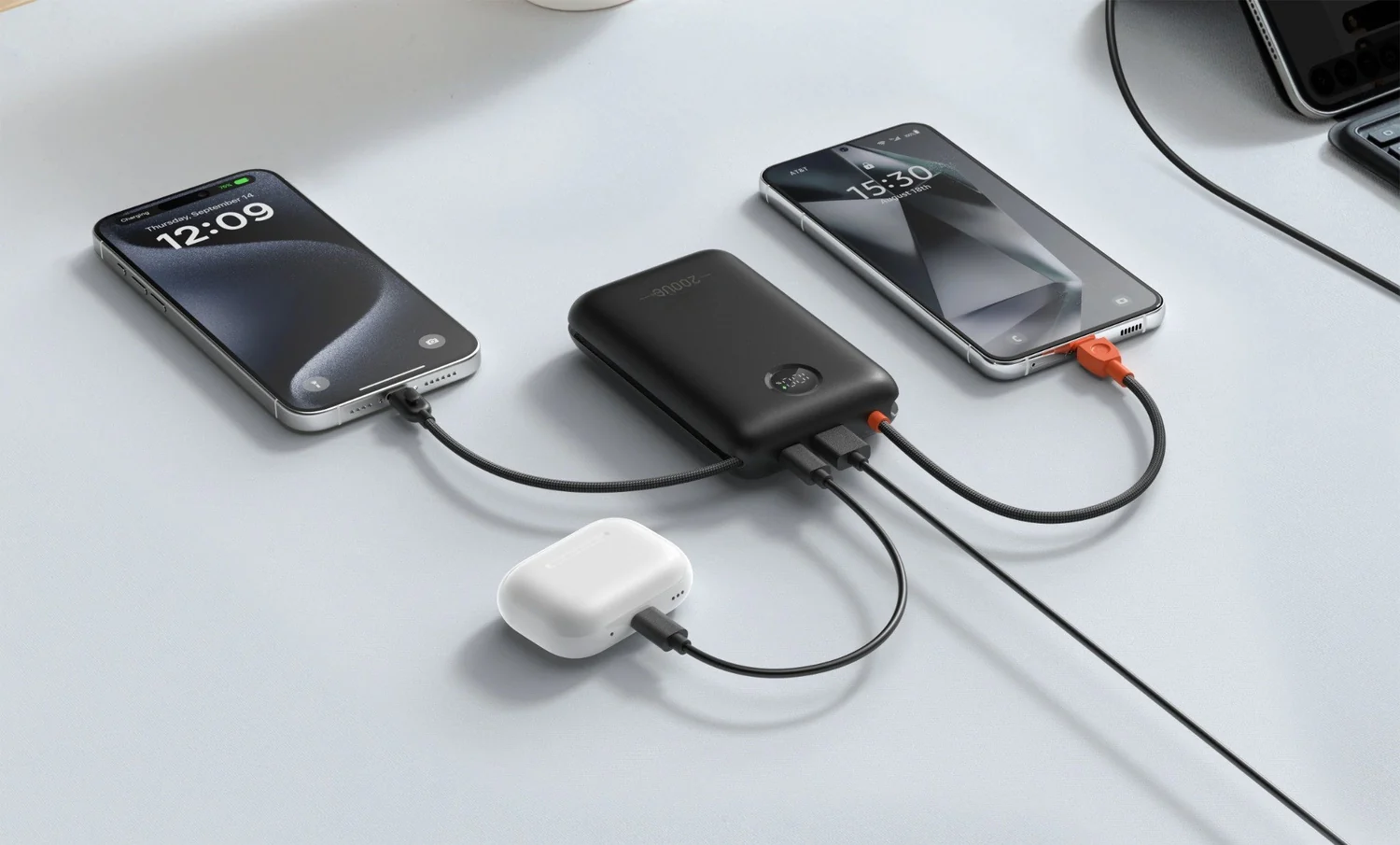
Students, commuters, and office workers have different needs than travelers or remote workers. Daily users often benefit from compact designs that offer one to two full charges. Heavy users may need higher capacity with multiple ports. The right choice depends on lifestyle, not marketing claims.
Making a Smarter Choice
Choosing between capacity and portability is about honesty with how you live. Power banks work best when they feel effortless to carry and dependable to use. When users understand trade-offs clearly, they make better decisions. That clarity builds trust, and trust matters more than numbers printed on a box.