How Do Camping Solar Panels Change Trip Planning?
Solar power changes the way campers prepare for outdoor travel because it shifts energy from a limited resource to something they can regenerate every day. With a reliable solar setup, campers rethink what they pack, how they choose routes, and how they schedule daily activities. A portable model such as the Anker SOLIX PS200 Portable Solar Panel fits naturally into this shift because it offers high-efficiency monocrystalline cells, adjustable angles for stronger sun capture, durable IP67 protection, and a foldable structure that supports movement between locations. Understanding how solar alters decisions helps campers build smoother, lighter, and more self-sufficient trips.
How Solar Power Reshapes Preparation Before the Trip
Packing Strategies Evolve Around Renewable Energy
Campers no longer rely heavily on spare batteries or oversized power banks when they bring a solar panel. Renewable power encourages a more streamlined pack because solar replaces many backup items traditionally used for emergencies. The Anker SOLIX PS200 Portable Solar Panel supports this shift with its 200W solar input, which can recharge essential devices such as a lamp or mini fridge when sun exposure stays strong. Campers pack more intentionally when they know energy will regenerate each day. They bring the devices they actually plan to use instead of carrying unnecessary electronics “just in case.” This change results in lighter backpacks and more organized supply lists, reducing clutter and improving comfort during travel.
Route Planning Considers Sunlight Opportunities
Campers who use solar begin selecting routes with sunlight exposure in mind. They evaluate whether meadows, riverbanks, overlooks, or open ridges offer better charging potential than dense forests or narrow canyon trails. This doesn’t restrict exploration but adds another layer of strategic planning. The PS200’s four adjustable angles—30°, 40°, 50°, and 80°—allow campers to adapt easily to different environments, collecting meaningful energy even when sun height varies. By aligning route choices with periods of strong sunlight, campers build more predictable charging windows. This approach helps them stay powered without altering the spirit of adventure, especially on longer routes that span multiple landscapes.
Gear Choices Reflect Confidence in Daily Charging
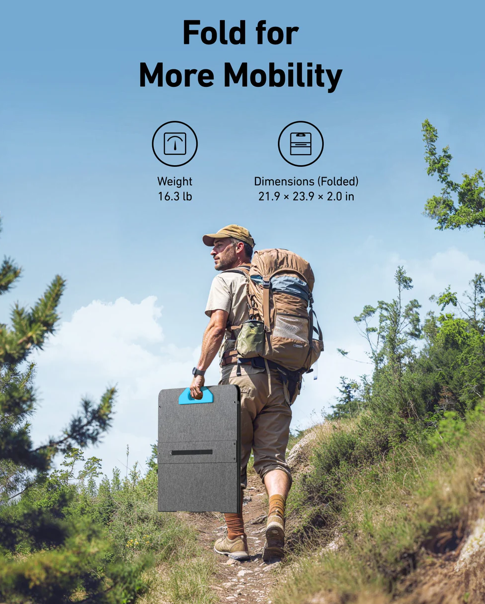
Solar access encourages campers to choose rechargeable gear such as headlamps, lanterns, GPS units, and compact electric cookers. They trust that their devices will stay powered because the panel generates fresh energy throughout the day. A portable model like the PS200 supports this behavior because it remains easy to carry, measuring 21.9 × 23.9 × 2 inches when folded and staying stable when unfolded to 82 × 23.9 × 1.1 inches. As campers upgrade their gear, they shift away from disposable batteries and embrace more efficient tools that depend on daily solar charging. A single camping solar panel becomes the core of a simplified and more sustainable gear ecosystem.
How Solar Power Shapes Decisions During the Trip
Campers Adjust Routines to Match Sun Availability
Once outdoors, campers rethink their daily timeline based on sunlight patterns. They place the camping solar panels in open spaces during breakfast, move it to trail edges for midday charging, and set it at steeper angles in late afternoon to catch lower sun. The PS200’s tilt options make this effortless because each angle aligns with different times of day. These small adjustments help campers build consistent charging rhythms without interrupting activities. By synchronizing energy collection with natural light cycles, they reduce stress about power shortages and maintain more freedom in their schedule.
Campsite Selection Prioritizes Open Light Zones
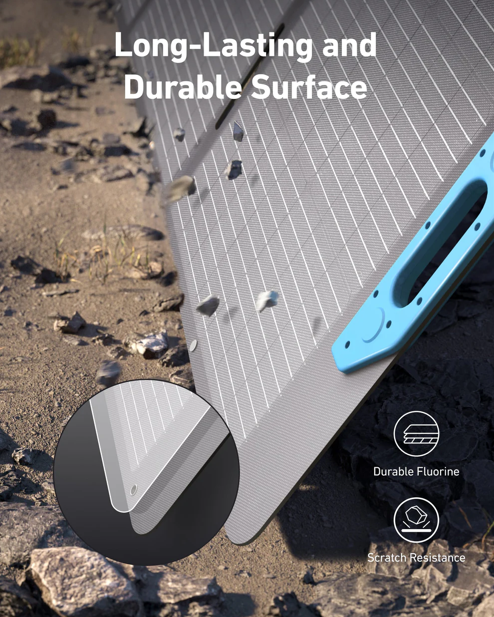
Campsite selection changes significantly once solar becomes part of the gear list. Campers often choose spots with partial openings instead of deep forest cover. Meadows, lake edges, and hilltops become ideal choices because they provide longer stretches of direct light. A weather-resistant panel like the PS200, with its IP67 waterproof protection, can remain deployed regardless of changing moisture or sudden wind shifts, which allows campers to charge even in unpredictable conditions. By choosing sites that offer stronger light exposure, campers increase their charging efficiency and create a more reliable energy foundation for multi-day stays.
Mobility Improves Charging Efficiency Throughout the Day
Campers who work with solar learn the value of mobility. Moving the panel even a few feet can dramatically increase output as shadows shift or tree cover changes. The PS200’s manageable weight of 16.3 lb helps support this strategy because it remains strong yet portable enough for frequent repositioning. Its included 3 m MC4 extension cables that allow campers to set the panel far from shaded tents while storing devices securely under cover. Mobility allows solar power to keep pace with changing sunlight patterns, turning short bursts of strong light into steady charging progress. As a result, campers achieve more reliable performance without needing perfect weather or uninterrupted sunlight.
See also: bytewave digital marketing services
Conclusion
Camping solar panels transform the way people organize their trips by shifting the energy mindset from scarcity to daily renewal. They influence packing decisions, route selection, campsite placement, and moment-to-moment routines. A portable, angle-adjustable, and weather-resistant option, such as the Anker SOLIX PS200 Portable Solar Panel, makes these changes even easier by offering efficient charging in a wide range of outdoor environments. When campers integrate solar into their planning, they gain more independence, simplify their gear, and build greater flexibility into their travel style. Solar power becomes not only a tool but a guiding factor in creating smoother and more sustainable camping experiences.