Designing a New Kitchen the Smart Way: What to Consider Before Making Decisions
Every kitchen renovation begins with a thought that refuses to disappear. Sometimes the cabinets feel dated. Sometimes the space no longer works for daily routines. Sometimes the appliances struggle to keep up with modern cooking habits. The feeling may be vague at first, but it signals that the kitchen no longer fits the household.
Before choosing cabinet styles or color palettes, identify the reason behind the renovation. A kitchen built for frequent cooking requires different priorities than one meant for quick meals and occasional gatherings. A family kitchen must handle traffic, storage, and durability. A smaller household may care more about design clarity and easy maintenance.
Many homeowners start with visual inspiration rather than practical needs. They scroll through photos, notice a striking island or glossy cabinets, and assume that replicating the look will solve their problems. That approach often leads to frustration because the underlying issues remain unresolved.
A careful renovation begins by defining purpose. Ask a few basic questions. How often does cooking happen at home? Do multiple people prepare meals at the same time? Does the kitchen double as a social area? Are guests expected to gather around the cooking space? These questions influence layout, storage, and appliance selection.
Resale value can also motivate renovation. Kitchens influence property value more than most rooms in a home. Buyers often focus on layout, storage, and appliance quality when evaluating a property. Still, designing only for resale can produce a kitchen that feels impersonal. The best result balances long-term usability with broader market appeal.
Another common trigger involves efficiency. Older kitchens often lack sufficient outlets, proper ventilation, and practical lighting. Counter space may be limited, and storage may rely on outdated cabinet designs. Renovating the kitchen provides an opportunity to correct these issues while improving appearance.
Understanding the real reason for the renovation prevents impulsive decisions. Instead of chasing a design trend, homeowners can focus on solving daily frustrations. Once that purpose becomes clear, every design choice becomes easier to evaluate.
Walking Through Your Current Kitchen Like an Inspector
A new kitchen begins with a careful evaluation of the existing one. Instead of immediately imagining a future design, examine the current space with attention to detail. Treat the process like a home inspection. Identify what works, what fails, and what causes inconvenience.
Start with the workflow. Observe the path taken during meal preparation. Many kitchens force cooks to cross the room repeatedly because the refrigerator, sink, and stove sit far apart or block each other. These three elements form the traditional work triangle. When placed correctly, they reduce unnecessary movement and allow cooking tasks to flow smoothly.
Next, examine counter space. Preparation requires clear surfaces near the sink and stove. If cutting boards, mixing bowls, or appliances crowd the counters, the design may lack adequate work areas. In many older kitchens, storage cabinets consume too much wall space while counters remain narrow or poorly positioned.
Lighting often reveals hidden problems. Kitchens frequently rely on a single overhead fixture that casts shadows across work surfaces. When lighting falls behind the person cooking, the countertop becomes dim. Good kitchens include layered lighting, such as under-cabinet fixtures and focused ceiling lights above preparation areas.
Storage deserves equal attention. Traditional cabinets often waste space with deep shelves that hide items in the back. Drawers and pull-out systems improve access and organization. During inspection, notice which items are difficult to reach and which cabinets remain half empty due to awkward design.
Appliance placement also influences comfort. Dishwashers positioned too far from the sink complicate loading. Refrigerators that block traffic cause congestion during busy hours. Ovens placed too low can strain the back during frequent use.
Noise and ventilation deserve consideration as well. Older range hoods often struggle to remove heat and cooking odors. Dishwashers and refrigerators may produce noticeable noise that spreads into nearby living areas.
Documenting these problems helps clarify priorities. A notebook or simple checklist can capture the most frustrating aspects of the kitchen. The goal is not to criticize the existing space but to learn from it. Each problem identified today becomes an opportunity for improvement in the new design.
Space Reality: What the Room Will Actually Allow
Kitchen ideas often expand quickly until physical limits interrupt them. The room itself determines what is possible. Walls, windows, plumbing, and structural elements impose boundaries that shape the design.
Start by measuring the space carefully. Length, width, ceiling height, and door placement define the working area. Small differences in measurement can affect appliance placement and cabinet sizes.
Structural walls represent one of the most important constraints. Removing a load-bearing wall requires engineering assessment and additional construction costs. Some homeowners expand kitchens by opening adjacent rooms, but such changes demand careful planning.
Plumbing locations influence layout choices as well. Moving a sink across the room involves new pipes and floor work. Gas lines for stoves create similar challenges. While relocation is possible, the cost may exceed expectations.
Windows also shape the design. Natural light improves kitchen comfort, but windows restrict cabinet placement. A window above the sink remains a popular design choice because it combines natural light with daily activity. Still, other placements may work depending on the room’s orientation.
Once the room’s limits become clear, the layout can take shape. Several common kitchen layouts dominate residential design.
The galley kitchen places cabinets and appliances along two parallel walls. This design suits narrow spaces and encourages efficient movement between work areas.
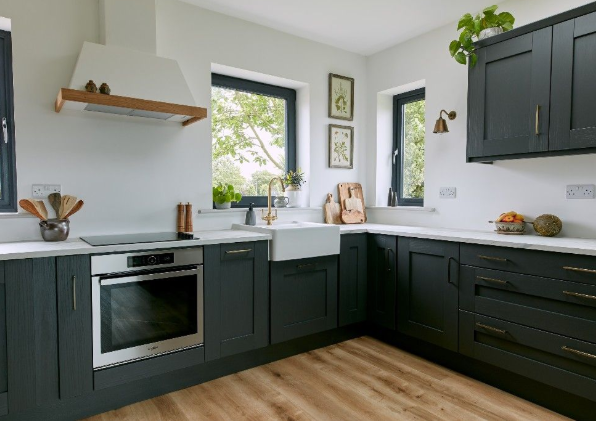
The L-shaped kitchen uses two connecting walls and leaves open space for movement or dining. Many households prefer this layout because it balances efficiency and openness.
The U-shaped kitchen surrounds the cook with three walls of cabinets and appliances. This design maximizes storage and counter space but requires adequate room to prevent crowding.
Island kitchens introduce a central workspace or seating area. Islands provide storage, preparation surfaces, and gathering space. However, they require sufficient clearance around all sides to maintain comfortable movement.
Peninsula kitchens extend cabinetry into the room from one wall. This layout creates a semi-enclosed workspace without requiring the full space needed for an island.
Understanding spatial limits prevents unrealistic planning. Instead of forcing an unsuitable layout into the room, homeowners can choose a design that respects the building’s structure while improving daily use.
Lifestyle Mapping: Designing the Kitchen Around Real Life
A kitchen reflects daily habits more than any other room in the house. A beautiful design becomes frustrating if it ignores how people actually use the space. For this reason, mapping household routines helps guide layout and equipment choices.
Begin by observing cooking frequency. Some households cook several meals each day, using multiple burners, ovens, and preparation surfaces. Others rely mostly on quick meals or takeout. These patterns influence appliance size and storage needs.
Family structure matters as well. Homes with children often require durable surfaces, easy-to-clean materials, and accessible storage for snacks or dishes. Households with frequent guests may prioritize seating areas and open layouts that encourage conversation.
Entertaining habits also shape kitchen design. Some homeowners prefer large islands where guests can gather while meals are prepared. Others prefer separate dining areas to keep cooking activities private.
Work routines deserve attention too. Many people now work from home, and the kitchen sometimes doubles as a workspace. In such cases, electrical outlets, seating comfort, and lighting become important design considerations.
Lifestyle mapping often leads to the concept of kitchen zones. Dividing the kitchen into activity zones improves organization and reduces conflicts between tasks.
The cooking zone includes the stove, oven, and nearby storage for utensils and cookware. The preparation zone provides counter space for chopping and mixing. The cleaning zone centers around the sink and dishwasher. The storage zone contains pantry items and refrigerated goods.
Social zones may appear in modern kitchens as well. These spaces provide seating or standing areas where family members gather while meals are prepared.
Some households incorporate seating directly into the kitchen island or peninsula. In these cases, tall seating options like restaurant bar stools can provide comfortable places for quick meals or conversation while cooking continues nearby.
By mapping daily routines before choosing materials or colors, homeowners create kitchens that support real behavior rather than theoretical design ideals.
See also: Innovative Home Battery Backup Solutions Today
Materials, Colors, and Surfaces: The Long-Term Choices
Material selection shapes both the appearance and durability of a kitchen. Cabinets, countertops, flooring, and wall finishes must withstand daily use, moisture, heat, and cleaning chemicals.
Cabinets form the visual backbone of the kitchen. Solid wood cabinets offer durability and natural appearance. Oak, maple, and walnut remain popular choices. However, wood expands and contracts with humidity changes, which may affect long-term stability.
Engineered wood products such as MDF often appear in modern cabinet construction. These materials provide smooth surfaces suitable for painted finishes. When sealed properly, they resist warping and provide consistent appearance.
Laminate cabinets provide an affordable alternative. Modern laminates can mimic wood grain or matte surfaces convincingly. They resist stains and scratches but may appear less authentic than natural materials.
Countertops demand careful evaluation. Granite remains a popular choice due to durability and heat resistance. Each slab displays unique natural patterns. Quartz countertops offer similar durability with consistent color patterns because they are engineered materials.
Stainless steel surfaces appear frequently in professional kitchens. Some homeowners adopt them for residential designs because they resist heat and simplify cleaning. However, fingerprints and scratches can become visible over time.
Flooring materials also influence kitchen comfort. Ceramic and porcelain tiles resist moisture and cleaning chemicals. Hardwood floors provide warmth and visual continuity with adjacent rooms but require careful maintenance to prevent water damage.
Color choices affect perception of space. Light colors often make smaller kitchens appear larger. Dark cabinets create contrast and a dramatic appearance but may require stronger lighting to maintain visibility.
Backsplashes provide both protection and design detail. Tile backsplashes allow homeowners to introduce color or pattern without overwhelming the room. Glass and metal options provide a modern aesthetic.
Material decisions should consider long-term maintenance. Some finishes require regular sealing or special cleaning products. Others resist stains and scratches with minimal care. Evaluating maintenance requirements before installation helps avoid frustration later.
Budget Reality: The Numbers Behind the Dream
Kitchen renovations often exceed initial expectations because costs accumulate across many categories. Cabinets, appliances, labor, plumbing, and electrical work all contribute to the final price.
Cabinetry usually represents the largest portion of the budget. Custom cabinets cost more but allow precise fitting within the room. Semi-custom options balance affordability with personalization. Stock cabinets provide the lowest price but offer limited size variations.
Appliances form another major expense. Refrigerators, stoves, ovens, dishwashers, and ventilation systems vary widely in price depending on brand and features. Professional-grade appliances can significantly increase the renovation budget.
Labor costs include carpentry, electrical work, plumbing, flooring installation, and painting. Complex renovations that involve structural changes or plumbing relocation increase labor expenses.
Lighting often receives less attention during budgeting but plays a major role in usability. Under-cabinet lighting, pendant lights, recessed ceiling fixtures, and dimmers improve kitchen functionality while adding to installation costs.
Flooring replacement may require additional preparation. Old flooring must often be removed, and subfloors may need repair before new materials can be installed.
A practical budgeting approach divides spending into essential and optional elements. Essential elements include structural repairs, plumbing updates, electrical safety, and durable cabinets. Optional elements include decorative features, specialized appliances, and luxury finishes.
A contingency fund remains important during renovation planning. Unexpected issues such as hidden water damage or outdated wiring frequently appear once construction begins. Setting aside ten to fifteen percent of the budget provides flexibility to handle these surprises.
Clear budgeting decisions help homeowners balance aesthetics and practicality. Instead of spreading funds thinly across every feature, concentrating spending on the most important elements often produces better results.
The Final Test: Visualizing the Kitchen Before It Exists
Before construction begins, testing the design can prevent costly mistakes. Visualization tools and physical planning methods allow homeowners to evaluate the kitchen in advance.
Digital kitchen planners provide one option. Many cabinet manufacturers and home design programs allow users to create three-dimensional layouts of the kitchen. These models help evaluate cabinet placement, appliance spacing, and overall proportions.
Physical mock-ups offer another method. Placing tape outlines on the floor can represent the boundaries of islands, cabinets, and appliances. Walking through the taped layout provides a realistic sense of space and movement.
Cardboard or temporary boards can simulate countertop surfaces or cabinet edges. This approach helps evaluate whether certain features obstruct pathways or crowd the room.
Appliance templates also prove helpful. Many manufacturers provide cardboard templates that match the size of their appliances. Placing these templates within the layout helps verify clearance for doors and drawers.
Lighting evaluation can occur before installation as well. Temporary fixtures or portable lamps can test brightness levels in different areas of the kitchen.
Spending time interacting with these mock-ups encourages practical thinking. Instead of focusing only on appearance, homeowners can evaluate everyday activities such as unloading groceries, preparing meals, and cleaning dishes.
Careful visualization often reveals small adjustments that significantly improve usability. A few inches of extra counter space or a slight shift in appliance placement can transform how the kitchen functions.
A kitchen renovation represents a long-term investment. Testing the design before construction helps confirm that the final space supports daily life, accommodates household routines, and provides a comfortable place for cooking and gathering.