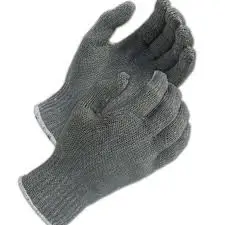
Cut Resistant Gloves for Handling Glass: The Complete Protection Guide

Glass-related lacerations are among the most serious and painful hand injuries that occur in industrial and construction settings. cut resistant gloves for handling glass provide a critical barrier against this hazard, but choosing the right product requires a clear understanding of cut resistance ratings, material performance, and task-specific requirements.
Understanding Cut Resistance Ratings for Glass Applications
ANSI Cut Levels Explained
The ANSI/ISEA 105 standard rates cut resistance from A1 (lowest) to A9 (highest). For glass handling applications, the minimum recommended rating is typically A6, which corresponds to gloves that withstand 2,000 grams of cut force in the standardized test.
For particularly sharp glass edges — such as architectural glass with unfinished cuts or tempered glass shards — higher ratings of A7, A8, or A9 may be appropriate. The specific rating required should be determined through a formal hazard assessment rather than default assumptions.
Liner Materials That Perform Against Glass Cuts
Not all high cut-rated liner materials perform identically against glass hazards. Stainless steel fiber blends and Dyneema composites typically offer the best performance against the thin, smooth-edged cuts that glass creates. HPPE and Kevlar perform well but may show higher variability against very fine glass edges.
For maximum protection, some glass handling gloves use multi-component liners that combine the strengths of different fiber types. These composite liners achieve high cut ratings while maintaining better dexterity than single-material alternatives at equivalent protection levels.
Coating Considerations for Glass Handling
The coating on a cut resistant glass handling glove serves two functions: adding an additional layer of cut protection over the liner and providing grip on glass surfaces. The coating must adhere well enough to the liner that it doesn’t peel during handling, which would expose the liner — and potentially the worker’s hand — to the glass edge.
For handling large, smooth glass panels in dry conditions, polyurethane or thin latex coatings provide the best tactile feedback. For wet conditions or freshly cleaned glass, foam nitrile or rough-textured coatings that channel moisture away from the grip surface perform better.
See also: Virtual Office: A Smart Solution for Modern Businesses
Frequently Asked Questions
Q: Do I need different gloves for tempered and non-tempered glass?
A: Tempered glass, when it breaks, shatters into many small pieces rather than sharp shards. While some protection level reduction may be acceptable for tempered glass handling, using high cut-rated gloves for all glass types is the safest and simplest approach.
Q: Can cut resistant glass handling gloves be repaired if damaged?
A: No. Damaged cut resistant gloves must be replaced immediately. Attempting to repair cut-resistant gloves is not recommended as any repair will be structurally inferior to the original construction.
Q: Are there cut resistant gloves specifically for children handling glass in craft or school settings?
A: Child-sized cut resistant gloves are available. For educational settings where children handle glass or sharp tools, providing appropriately sized cut resistant gloves is an important safety measure.
Conclusion
Cut resistant gloves for handling glass are a specialized safety product that demands careful selection based on verified cut resistance ratings, appropriate liner materials, and suitable coatings for the specific handling conditions. Investing in properly specified gloves is a straightforward way to prevent some of the most severe injuries that glass handling workplaces experience.