
Pole Mounted Enclosure: The Smart Solution for Space-Constrained Network Deployments
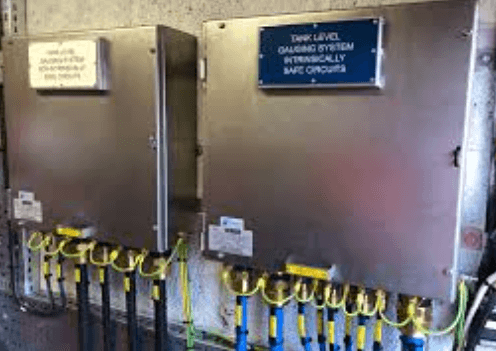
Urban environments and remote locations share a common challenge: limited ground space for telecommunications equipment. The pole mounted enclosure has emerged as an elegant solution, enabling network operators to deploy equipment at height on existing poles and structures. This approach reduces land use, improves equipment security, and speeds up deployment timelines significantly.
Why Choose a Pole Mounted Enclosure?
Pole mounting offers several compelling advantages over ground-level installations. Equipment installed at height is less accessible to vandals and unauthorized users. Signal propagation is improved when antennas are co-located with network equipment. Additionally, pole mounting avoids the cost of preparing a concrete pad.
Common Pole Mounting Applications
These enclosures are widely used in 4G/5G small cell deployments, traffic signal systems, smart city nodes, environmental monitoring stations, and utility grid communications. Their versatility makes them a favorite among network planners.
Structural Considerations
Before installing a pole-mounted enclosure, engineers must calculate the wind load and weight distribution to ensure the pole can safely support the equipment. Poles must comply with local structural codes and the manufacturer’s load specifications.
- Reduces ground footprint significantly
- Improves equipment security by elevation
- Enables faster site acquisition and deployment
- Compatible with existing utility and light poles
- Suitable for both urban and rural environments
Key Features of Quality Pole Mount Enclosures
Not all pole mount enclosures are the same. Quality products feature heavy-duty stainless steel mounting pole mounted enclosure weatherproof sealing, cable management systems, and internal rack rails for organizing equipment efficiently.
Thermal Management for Elevated Enclosures
Equipment mounted on poles is exposed to direct sunlight for extended periods, which can raise internal temperatures significantly. Quality enclosures include solar shields, insulated walls, passive ventilation paths, or active cooling systems to maintain safe operating temperatures.
Installation Tips for Pole Mount Enclosures
Proper installation is critical to the long-term performance of a pole mounted enclosure. Use the correct torque specifications for mounting hardware, ensure proper cable routing to prevent chafing, and confirm that the enclosure is plumb and level.
- Always use a torque wrench for mounting bolts
- Use self-amalgamating tape on all outdoor RF connections
- Route cables through sealed conduits to the pole base
- Label all cables during installation for easier maintenance
- Conduct a post-installation inspection for any gaps or misalignments
Frequently Asked Questions
What pole diameters are compatible with pole mounted enclosures?
Most pole mount enclosure systems accommodate poles ranging from 3 to 6 inches (75 to 150mm) in diameter. Adjustable mounting brackets allow compatibility with various pole sizes.
Can pole mounted enclosures handle extreme weather?
Yes, quality enclosures are rated IP55 or higher and are tested for high wind loads, temperature extremes from -40°C to +60°C, and UV resistance to withstand prolonged outdoor exposure.
Are permits required to mount enclosures on utility poles?
In most jurisdictions, permits and agreements with pole owners are required. Coordinate with utility companies and local authorities before beginning any pole attachment work.
See also: How AI Is Changing Tech Careers
Conclusion
The pole mounted enclosure represents a practical, scalable solution for deploying telecommunications equipment in environments where ground space is scarce. By combining weatherproof construction with flexible mounting systems and efficient thermal management, these enclosures enable network operators to deliver reliable connectivity in virtually any location. Always work with a qualified supplier and installer to ensure a safe, compliant, and high-performance installation.