
“Twilight 2.0”: Capturing the Emotional Sensor with Blue-Hour HDR
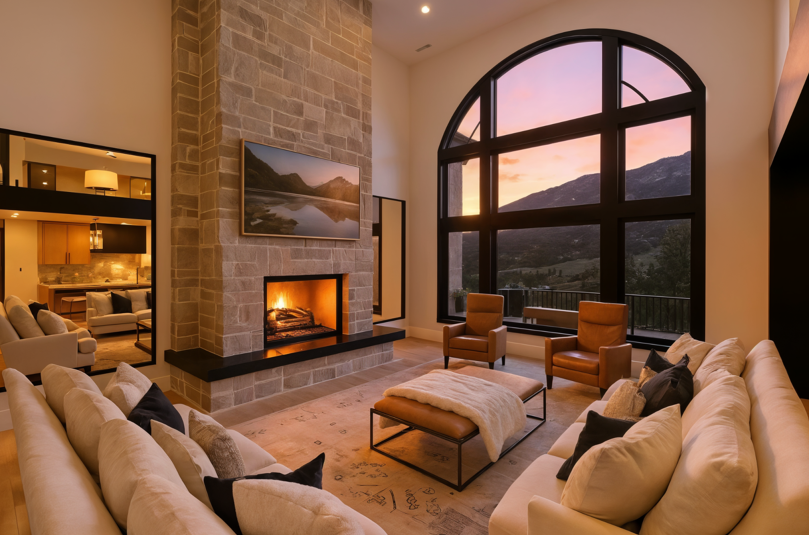
There’s a moment around 6 PM when a home feels different. The sky cools. Interior lights warm up. Shadows soften. It’s not the brightest time of day, but it’s often the most inviting.
By 2026, real estate imagery is shifting toward this idea of emotional lighting. Buyers don’t need to see every corner perfectly lit. They want to feel what it’s like to arrive home in the evening. That feeling lives in blue-hour photography, but only when it’s handled correctly.
This is where the role of a photo editor real estate has changed. Twilight images are no longer about dramatic contrast. They’re about balance, restraint, and mood.
Why Twilight Images Still Matter, But Differently
Traditional twilight photos were designed to impress. Bright interiors, deep blue skies, glowing windows. They grabbed attention, but they often felt staged.
In 2026, buyers are more sensitive to realism. Overdone twilight shots feel artificial. Underdone ones feel dull. The challenge is finding the emotional middle ground where the image feels calm, warm, and believable.
That’s what Twilight 2.0 is about. Not spectacle, atmosphere.
The Real Challenge: Warm Inside, Cool Outside
Blue-hour photography is difficult because it combines two opposite lighting temperatures in one frame. Interior LED lights are warm and inviting. The exterior sky is cool and fading. When these clash, images fall apart quickly.
If highlights are pushed too hard, interiors look yellow and harsh. If shadows are lifted too much, the image turns muddy. If global HDR is applied carelessly, everything flattens into gray-blue tones.
This is where a skilled photo editor real estate workflow matters more than the camera itself.
HDR as an Emotional Tool, Not a Technical Trick
HDR is often misunderstood in twilight work. The goal isn’t to show more detail. It’s to preserve contrast relationships while keeping the mood intact.
Good HDR keeps the sky cool without draining color. It lets interior lights glow without overpowering the room. Shadows stay present, but not heavy.
When HDR is used with intent, the image feels calm and dimensional. When it’s overused, emotion disappears.
With platforms like AutoHDR, you get twilight HDR as mood preservation, not exposure maximization.
Core Editing That Protects the Blue-Hour Feel
Twilight images still rely on strong fundamentals. Core image editing ensures that the mood survives the technical process.
This includes placing a sky that matches the actual blue-hour lighting, masking windows so interior warmth and exterior coolness stay distinct, correcting white balance so materials don’t shift unnaturally, removing the camera or reflections cleanly, and straightening the image so the scene feels stable.
These steps don’t add drama. They protect it. That’s the difference between a photo that feels staged and one that feels lived in.
Avoiding the “Muddy Mid-Tone” Problem
One of the most common twilight mistakes is over-blending mid-tones. When warm and cool light mix too evenly, the image loses clarity.
The solution isn’t more contrast, it’s smarter separation. Windows should act as transitions, not light sources. Interior light should feel contained. Exterior light should fade naturally.
This level of control is why photo editor real estate tools are moving toward more scene-aware processing. Global adjustments simply aren’t enough anymore.
Add-Ons That Support Emotional Lighting
Some enhancements work beautifully with Twilight 2.0 when used carefully. Virtual twilight can help establish the evening mood when the timing wasn’t perfect. Grass greening supports curb appeal under low light conditions. Virtual staging can help interiors feel welcoming, as long as lighting direction and shadows remain believable.
What doesn’t work are heavy transformations meant to impress rather than invite. Bulk furniture removal and aggressive staging break the emotional flow and pull viewers out of the scene.
See also: Turning Store Visits into Intelligence with Traffic Counters and Retail Analytics Software
Sorting Isn’t Editing, and Especially Not at Twilight
Twilight shoots often involve multiple exposures and variations. Manual sorting is simply choosing the best frames. It has nothing to do with HDR blending.
Automatic HDR editing is where the emotional balance is created. Keeping these steps separate avoids rushed decisions that flatten the image.
For a photo editor real estate workflow, clarity in process leads to clarity in results.
Quality Without High Cost
Twilight images have a reputation for being expensive and time-consuming. That’s changing.
Automated HDR workflows make emotional lighting scalable. Editing can cost as low as 40 cents per image, not truly 40 cents, but close enough to make twilight a practical option, not a luxury add-on.
This allows photographers and teams to include twilight imagery without slowing down production.
Why Emotional Lighting Wins in 2026
Buyers don’t remember exposure values. They remember how a place made them feel.
Twilight 2.0 focuses on that feeling, the calm, welcoming sense of home at the end of the day. When HDR is used with restraint and intention, it supports emotion instead of overpowering it.
Through thoughtful photo editor real estate workflows, twilight images stop being marketing tricks and start becoming storytelling tools.
We believe the future of real estate photography isn’t brighter images. It’s more honest, especially when the light is fading.