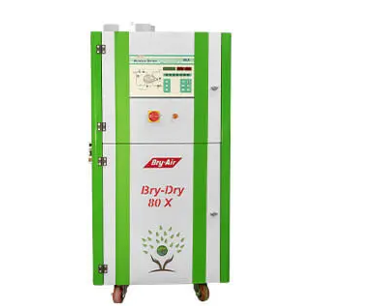
Advanced Plastics Dryer Systems for Moisture Control
Importance of Moisture Removal in Plastic Processing
Moisture control is a critical factor in plastic processing industries. Many plastic resins are hygroscopic in nature, meaning they absorb moisture from the surrounding environment. If this absorbed moisture is not removed before processing, it can lead to surface defects, structural weakness, and compromised product quality. Effective drying ensures that raw materials maintain their intended physical and chemical properties throughout molding and extrusion operations.
In high precision manufacturing environments, even minimal moisture content can disrupt processing consistency. This is why manufacturers invest in advanced drying systems designed specifically for plastic materials. A high performance plastics dryer plays a vital role in eliminating moisture prior to melting and molding stages. These systems are engineered to maintain controlled drying temperatures and deliver consistent airflow, ensuring uniform moisture removal across resin batches. Proper drying enhances process efficiency and reduces the likelihood of production interruptions.
How Moisture Affects Plastic Manufacturing
When plastic resins contain excess moisture, the heating process can cause water vapor to expand within the material. This expansion may lead to defects such as bubbles, surface imperfections, and reduced mechanical strength. In technical applications where dimensional stability is essential, moisture contamination can significantly affect performance.
Moisture also impacts processing efficiency. Inconsistent resin quality can increase cycle times and create variability in finished products. Maintaining controlled drying conditions ensures that raw materials are prepared properly before entering molding or extrusion equipment.
Core Objectives of Plastic Drying Systems
An effective plastic drying solution is designed to achieve the following objectives:
• Remove absorbed moisture to specified residual levels
• Maintain stable drying temperature and airflow conditions
• Support consistent material preparation for processing
By achieving these objectives, manufacturers can maintain high quality standards and improve operational reliability.
Types of Drying Technologies for Plastics
Plastic drying systems are available in different configurations depending on material requirements and production scale. Traditional hot air dryers remove surface moisture but may not effectively eliminate internal moisture in hygroscopic resins. Desiccant based systems, on the other hand, provide deeper drying capability by using moisture absorbing materials to treat process air.
Desiccant drying technology is widely recognized for its ability to achieve low dew point conditions. These systems circulate dry air through resin hoppers, drawing out moisture from within the material. The desiccant material is continuously regenerated to maintain drying efficiency and ensure uninterrupted operation.
Advantages of Desiccant Drying Technology
Desiccant systems provide superior performance when processing engineering plastics that require precise moisture vcontrol. They are capable of maintaining low dew point air consistently, allowing for uniform drying throughout the resin batch. Controlled airflow and temperature settings ensure that material properties remain stable during preparation.
High efficiency desiccant dryers for plastics are engineered to support continuous industrial operations. These systems offer reliable moisture removal, energy optimized performance, and consistent drying quality. Their advanced design helps reduce processing defects and improve overall product consistency.
Key Features to Consider in Plastic Dryers
Selecting the right plastic drying system requires careful evaluation of several factors:
• Required drying temperature and airflow capacity
• Target moisture content for specific resin types
• Energy efficiency and system automation capabilities
Modern drying systems often include advanced control panels that allow operators to monitor dew point, temperature, and airflow in real time. Automated adjustments help maintain stable conditions and improve operational efficiency. Durable construction and industrial grade components ensure long term reliability under continuous production demands.
Operational Benefits of Effective Resin Drying
Implementing a structured plastic drying strategy offers significant operational benefits. Properly dried resin improves product appearance, enhances structural integrity, and supports dimensional accuracy. Consistent moisture removal reduces variability and strengthens quality assurance processes.
Optimized drying also contributes to smoother machine performance. When material is prepared correctly, processing equipment operates more efficiently with fewer interruptions. Reduced defect rates enhance productivity and minimize material waste.
Energy Efficiency and Process Stability
Advanced drying systems are designed to balance high performance with energy efficiency. Heat recovery mechanisms and optimized airflow circulation reduce overall power consumption while maintaining precise drying conditions. Efficient system design contributes to lower operational costs and sustainable manufacturing practices.
Process stability is further enhanced through automated monitoring systems. Continuous tracking of dew point and drying temperature ensures that materials remain within specified limits. Predictable drying conditions support repeatable production outcomes and strengthen overall operational control.
See also: Why Every Business WhatsApp Page Needs Telegram Download for Faster Audience Growth
Supporting Quality and Production Standards
Plastic manufacturing often requires adherence to strict quality specifications. Maintaining consistent moisture content in raw materials is essential for meeting these standards. Advanced drying systems provide accurate environmental control and documentation capabilities that support internal quality audits.
Stable drying performance enhances product reliability and long term durability. By minimizing moisture related defects, manufacturers can maintain consistent output quality and strengthen customer confidence in finished products.
Scalability and Integration in Modern Facilities
As production requirements evolve, drying systems must adapt to changing operational demands. Modular designs allow manufacturers to scale capacity while maintaining consistent drying performance. Integration with centralized production management systems improves coordination and oversight.
Automated controls enable synchronized operation between drying units and processing equipment. This integration reduces manual intervention and enhances workflow efficiency. Future ready system architecture ensures that drying technology continues to meet performance expectations as manufacturing processes advance.
Choosing an experienced manufacturer is essential for achieving optimal results. Professional engineering support and customized system configurations ensure that drying solutions align with specific material and production requirements.
Conclusion
Advanced plastics dryer systems play a crucial role in ensuring consistent quality and operational efficiency in plastic processing industries. Effective moisture removal protects material integrity, enhances product performance, and reduces production variability. Desiccant based drying technology provides precise control and reliable results, making it suitable for engineering plastics that demand strict moisture management.
Energy efficient design, automated monitoring, and scalable configurations contribute to sustainable and dependable manufacturing operations. By partnering with a trusted provider such as Bry-Air, manufacturers gain access to innovative drying solutions tailored to industrial plastic processing needs. Investing in high performance drying technology strengthens quality assurance, optimizes productivity, and supports long term manufacturing excellence.