Comprehensive Guide to Intravenous Drip and Its Importance in Healthcare

An intravenous drip is one of the most common methods of administering fluids, medications, and nutrients directly into a patient’s bloodstream. Understanding how it works and the role of its components is essential for healthcare professionals to provide safe and effective care.
What Is an Intravenous Drip?
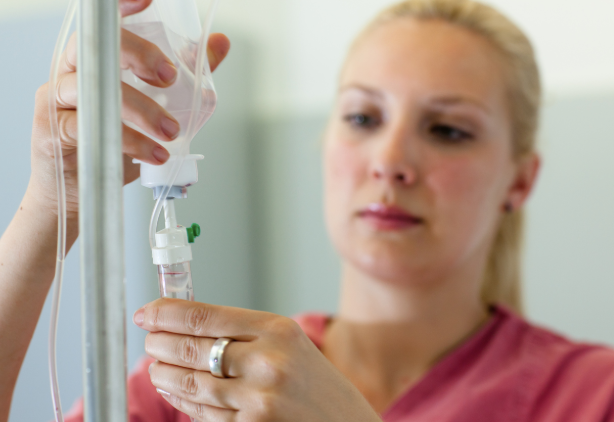
An intravenous drip involves a controlled flow of liquid directly into the bloodstream through a vein. It is commonly used for hydration, medication delivery, blood transfusions, and nutritional support. The IV set typically includes an IV bag, tubing, a drip chamber, and a needle or catheter.
Components of an Intravenous Drip
- IV Bag: Contains the fluid, medication, or nutrients.
- Drip Chamber: Allows visual monitoring of the flow and prevents air bubbles.
- IV Tubing: Channels fluid from the bag to the patient.
- Roller Clamp: Regulates the rate of infusion.
- Needle or Catheter: Provides access to the vein.
Healthcare professionals can get more information on intravenous drip equipment and guidelines.
Importance of an Intravenous Drip
- Rapid Fluid Delivery: Essential for dehydrated or critically ill patients.
- Precise Medication Administration: Allows controlled dosing over time.
- Nutritional Support: Provides essential nutrients to patients unable to eat orally.
- Emergency Care: Facilitates fast fluid administration in trauma or shock cases.
Types of Intravenous Drips
Microdrip IV
- Delivers 60 drops per milliliter.
- Ideal for pediatric patients and precise medication dosing.
Macrodrip IV
- Delivers 10–20 drops per milliliter.
- Used for adults or rapid fluid replacement.
Blood Transfusion Drip
- Specifically designed to safely administer blood products.
- Incorporates filters and monitoring systems for patient safety.
Applications of Intravenous Drips
- Medication Delivery: For antibiotics, pain relief, and other critical medications.
- Hydration Therapy: For patients suffering from dehydration.
- Blood and Plasma Administration: Monitors flow and prevents complications.
- Nutritional Support: Supplies essential nutrients in cases of malnutrition or surgery recovery.
- Emergency Medicine: Rapid administration in life-threatening situations.
Benefits of Using an Intravenous Drip
- Accuracy: Ensures correct dosage and infusion rate.
- Safety: Minimizes risks such as air embolism and fluid overload.
- Efficiency: Streamlines patient care and reduces errors.
- Versatility: Can be used for medications, fluids, and blood products.
Proper Handling and Maintenance
- Inspect the IV set and drip chamber for integrity before use.
- Prime the tubing to remove air bubbles.
- Adjust the roller clamp to achieve the desired flow rate.
- Monitor the infusion regularly to ensure consistent delivery.
- Dispose of disposable components properly to prevent contamination.
See also: Understanding iv set uses in Modern Healthcare
Troubleshooting Common Issues
- Slow Flow: Check for kinks in tubing or incorrect clamp adjustment.
- Air Bubbles: Ensure the drip chamber is primed correctly.
- Leaks: Check connections and replace damaged components.
- Over-Infusion: Monitor drip rate and patient condition closely.
FAQs About Intravenous Drip
1. What is an intravenous drip used for?
It is used for administering fluids, medications, blood, and nutrients directly into the bloodstream.
2. How does an intravenous drip ensure patient safety?
By using a drip chamber and controlled flow, it prevents air bubbles and ensures accurate infusion rates.
3. Where can I find detailed information about intravenous drip systems?
Healthcare professionals can refer to intravenous drip resources for guidance and best practices.
Conclusion
The intravenous drip is a critical component of modern medical care, enabling precise, safe, and efficient delivery of fluids and medications. Proper understanding, handling, and monitoring of IV drips ensure optimal patient outcomes and effective healthcare practices. For further information, professionals can consult intravenous drip resources.