Do Whole Home Generators Lower Insurance Risk?
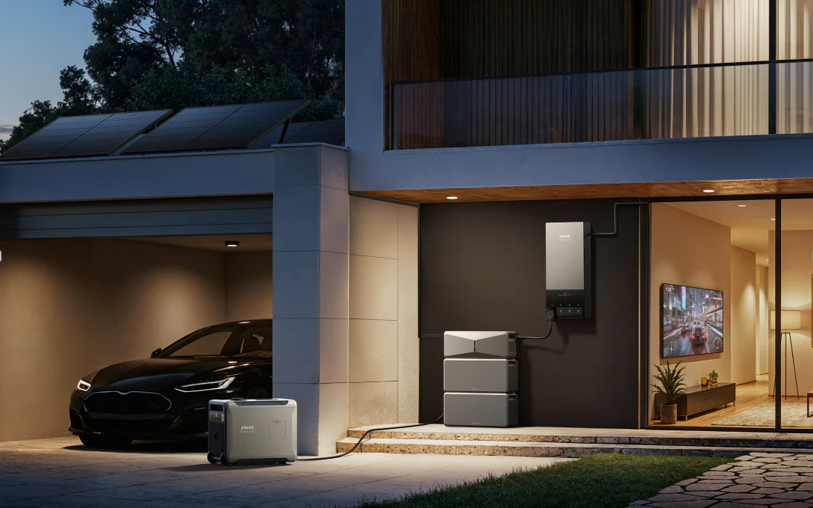
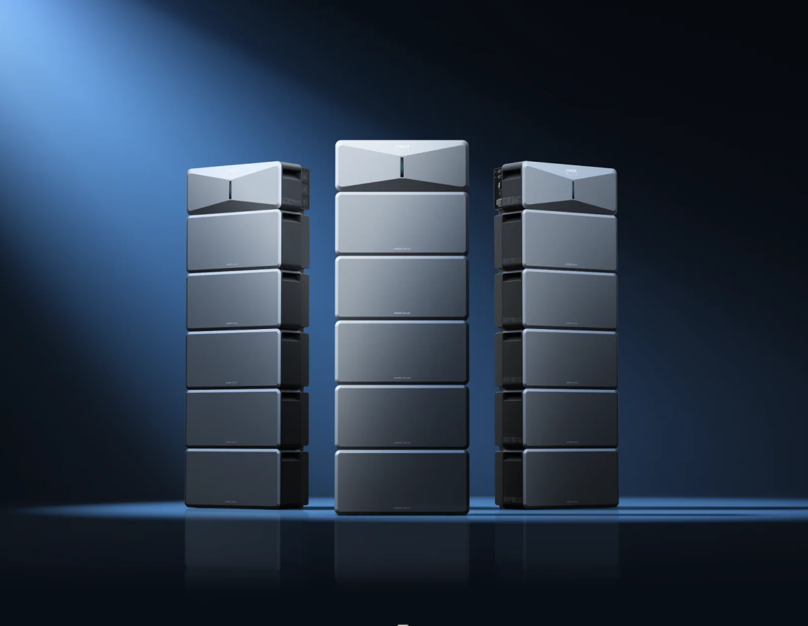
Power outages reveal how fragile many home systems are, from security devices to sump pumps to climate control. When electricity disappears, risks increase—water damage becomes more likely, food spoils, frozen pipes burst, and safety monitoring fails. These risks often lead homeowners to ask whether installing a backup system can reduce insurance exposure. While insurers vary in how they treat generator installations, the presence of reliable backup power does meaningfully influence home safety outcomes. Modern systems such as the Anker SOLIX E10 with Power Dock add more than simple backup—they stabilize transitions, protect the electrical panel, and maintain continuity during emergencies. Understanding how these systems reduce risk helps families make informed decisions.
How Backup Power Reduces the Most Common Sources of Loss
Power Continuity Prevents Damage Linked to Sudden Outages
Many of the most expensive home insurance claims are triggered by events that happen during a power loss. HVAC failures can lead to frozen pipes, sump pumps stop working and cause basement flooding, and refrigerators warm enough to spoil food and create health risks. When a generator delivers immediate backup power, these failures become far less likely. This is where systems that switch in milliseconds make a difference. A ≤20ms response maintains circulation pumps, climate systems, and security electronics without interruption. The E10 platform’s fast switchover keeps even sensitive appliances running, minimizing the cascade of problems that typically follow outages. Instead of relying on manual start-up, the process occurs automatically, which further reduces error and protects the home from unintentional downtime. Power continuity acts as a protective shield against common claim triggers.
Real-Time Surge Protection Reduces Electrical Damage After Grid Restoration
Insurance providers often see a spike in claims after storms, not just from the outage itself but from the power surge that happens when electricity returns. Surges damage appliances, HVAC motors, and home electronics, leading to costly replacements and repairs. A system with integrated surge shielding prevents these events from reaching the home’s wiring. When backup systems such as the E10 absorb or block the unstable return surge, the electrical panel and appliances stay protected. This reduces the frequency of high-ticket losses, particularly in homes with large loads like HVAC condensers. For insurers, fewer electrical failures translate into lower risk classifications. For families, it means protection from sudden and unexpected repair costs.
Outage-Ready Homes Experience Fewer Secondary Hazards
Power outages often appear in the context of larger disasters—storms, freezes, heatwaves, and regional infrastructure failures. During these events, a home without backup power becomes more vulnerable to secondary hazards like mold growth, temperature instability, or compromised home monitoring. A reliable generator mitigates these risks by preserving normal operation across essential systems. The E10 platform strengthens this protection with load-handling capacity that keeps large appliances online, allowing HVAC, filtration, and security systems to function even when the grid is unstable. Instead of reacting to damage after it happens, the home maintains its environment and prevents issues from developing in the first place. Insurers classify homes with lower risk of secondary hazards as more stable, which may influence premium calculations over time.
Why Some Backup Systems Offer More Safety Value Than Others
Whole-Home Coverage Eliminates the Partial-Protection Problem
Portable generators only protect a limited set of circuits and often require manual management. This creates vulnerabilities when homeowners misjudge which systems require constant power—such as sump pumps, medical devices, or refrigerators. Insurers recognize that partial protection does not reliably lower risk because critical loads may still lose power. Systems designed for entire-home coverage avoid these gaps. The E10 with its 200A Power Dock keeps the entire panel energized, ensuring no essential circuit is ignored or underestimated. This eliminates selective outages inside the home and removes the guesswork that often leads to preventable losses. Full-panel protection aligns more closely with the types of risk reduction insurers want to see.
See also: Mobile Spray Tan Houston: A Flawless Glow Without Leaving Home
Weatherproof Installation Enhances Reliability During the Highest-Risk Events
Insurance risk peaks during storms, hurricanes, and winter freezes. These are also the moments when whole house generators are most likely to fail—unless they are engineered for outdoor weather exposure. Weather resistance directly affects reliability and therefore influences risk levels. A fully weather-resistant system, able to remain outdoors without shelter, ensures the home has power exactly when conditions become dangerous. The E10 system’s waterproofing and thermal protection allow it to operate during blizzards, heavy rain, and extreme heat without compromising performance. Installation flexibility—such as wall mounting in flood-prone areas—adds another layer of risk avoidance. This makes backup power a stable factor rather than a variable one during high-risk events.
Multi-Day Outage Capability Reduces Catastrophic Failure Risk
Insurance losses escalate dramatically during long outages. When grid failures stretch into several days, homes without sustained power face the highest risk of water damage, spoiled food, HVAC system failure, and unsafe interior temperatures. Backup solutions that combine battery storage, generator efficiency, and solar input offer extended protection. The E10 system, with its hybrid operation and optional solar harvesting, ensures power continuity over long durations without constant refueling. The combination of battery-first operation and generator synergy reduces fuel dependency, allowing households to maintain critical functions even when supply chains are disrupted. This level of endurance reduces exposure to the most expensive categories of home damage.
Conclusion
Whole-home generators support insurance risk reduction by preventing avoidable damage, stabilizing electrical systems, and maintaining safe interior conditions during outages. Insurance companies often acknowledge that homes with reliable backup power experience fewer claims related to flooding, frozen pipes, electrical surges, and food loss. Systems like the Anker SOLIX E10 with Power Dock provide enhanced value through rapid switchover, surge protection, weatherproof installation, and long-duration capability—all of which contribute to overall home safety. While policies vary, the relationship between stable power and reduced home risk is clear: generators help protect both property and household continuity, making them a practical tool for lowering exposure during emergencies.