How Long Can Refrigerator Food Last During Sudden Power Outages?
Unexpected power outages can happen during storms, equipment failures, or grid overloads, leaving households unsure about food safety. Refrigerators and freezers depend on constant electricity to maintain safe storage temperatures for perishable items. When the power goes out, the clock starts ticking, and knowing what to do can prevent foodborne illness and unnecessary waste. Simple actions taken early can help preserve cold temperatures longer and protect groceries that may represent a significant household expense. In this article, how long refrigerated and frozen foods typically remain safe during outages and what practical steps help extend their safety are explained.
1. First 4 Hours: Keep Doors Closed
Refrigerator stays cold if unopened
A closed refrigerator can usually maintain a safe internal temperature for about four hours if the door remains shut. Cold air is dense and escapes quickly when the door is opened, so limiting access is critical. Each opening can raise the temperature several degrees, shortening the safe window for perishable foods. Planning ahead by knowing where items are stored helps reduce the need to search inside. During this early period, restraint is one of the most effective food safety strategies.
Freezer maintains temperature if full
A full freezer holds its temperature longer than a partially filled one because frozen items help keep each other cold. When unopened, a full freezer can typically maintain safe temperatures for up to 48 hours, while a half-full freezer may last about 24 hours. The solid mass of frozen food slows temperature changes and reduces air circulation inside. Keeping the door closed is just as important here as with the refrigerator. Preserving that cold environment early on increases the chances that food will remain safe later.
2. 4-24 Hours: Monitor Temperature
Check fridge thermometer if available
A refrigerator thermometer provides a clear picture of whether food remains within a safe temperature range. Perishable foods should stay at or below 40°F (4°C) to limit bacterial growth. Without a thermometer, it becomes difficult to judge safety based on appearance alone. Checking temperatures periodically helps households make informed decisions rather than guessing. This small, inexpensive tool can prevent both food waste and health risks.
Group items together to preserve cold
Grouping food items tightly together helps them retain cold temperatures longer. Items that are clustered create a shared cool environment, reducing exposure to warmer air inside the appliance. Moving frequently used items toward the front before outages can also minimize door-open time. Insulated coolers filled with ice packs can provide temporary storage for high-priority foods. These steps slow warming and extend the safe storage window.
3. 24-48 Hours: Critical Decision Time
Discard perishables if temperature above 40°F (4°C)
Once refrigerator temperatures rise above 40°F (4°C) for more than two hours, many perishable foods become unsafe. Meat, poultry, seafood, dairy products, and leftovers are especially vulnerable to bacterial growth. Even if these foods look and smell normal, harmful bacteria may still be present. When in doubt, it is safer to discard questionable items than risk illness. Food safety guidelines prioritize health over saving groceries.
Freezer food may still be safe if partially thawed
Frozen foods can remain safe longer if they still contain ice crystals or feel very cold to the touch. Partially thawed items that have not exceeded safe temperatures may be refrozen, although quality could decline. Foods that have completely thawed and warmed above 40°F should generally be discarded. Using a thermometer provides more reliable guidance than visual checks alone. Careful evaluation during this stage helps reduce unnecessary food loss while maintaining safety.
See also: How AI Is Used in Educational Technology
4. After 48 Hours: Most Food Unsafe
Discard meat, dairy, leftovers
After two days without power, most refrigerated perishables should be discarded. Meat, milk, soft cheeses, cooked dishes, and prepared foods are high-risk items. Bacteria can multiply rapidly once temperatures remain above safe levels for extended periods. Consuming these foods may lead to foodborne illness even if spoilage signs are not obvious. Clearing out unsafe items helps prevent accidental consumption later.
Some condiments and hard cheeses may keep
Certain foods are more stable and can remain safe longer than highly perishable items. Condiments high in salt, sugar, or vinegar—such as ketchup, mustard, and pickles—are generally more resistant to spoilage. Hard cheeses and butter may also last longer due to lower moisture content. However, any product with an unusual smell, texture, or appearance should still be discarded. Careful judgment is important when deciding what to keep.
5. Preventive Measures
Keep refrigerator/freezer full for better insulation
A well-stocked refrigerator or freezer retains cold temperatures more effectively than an empty one. Bottles of water can be added to unused space to help maintain thermal mass. This added insulation slows temperature changes during outages. Organizing contents in advance also makes it easier to find items quickly without prolonged door openings. Preparation before an outage can significantly improve food safety outcomes.
Have backup power or cooler ready
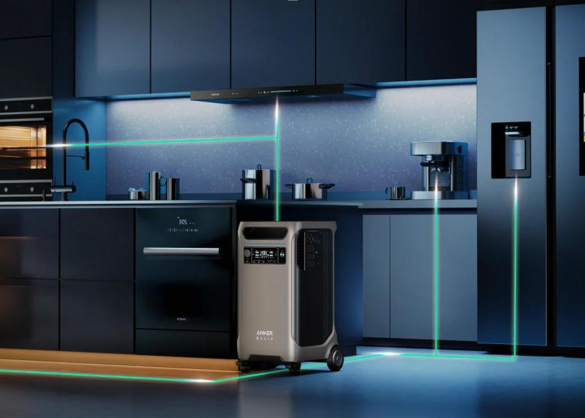
Planning ahead with backup cooling solutions can make a major difference during longer outages. Insulated coolers with ice packs can temporarily store essential perishables when refrigerator temperatures rise. For households seeking longer support, portable power options such as Anker SOLIX solar power generators can run a refrigerator or freezer for extended periods depending on capacity, while also allowing monitoring and expansion to match household needs. These systems operate without fuel and recharge through solar panels, making them suitable for home backup scenarios. Having flexible backup tools ready reduces stress and helps protect valuable groceries during unexpected disruptions.

Conclusion
Food safety during power outages depends largely on preparation, awareness, and timely decisions. Keeping appliance doors closed, monitoring temperatures, and understanding which foods spoil fastest are key to protecting health. Preventive planning, including cooling alternatives and backup power strategies, can greatly reduce both risk and waste. With the right knowledge and tools, households can handle unexpected outages with greater confidence and care.