Switching from DSLR to Mirrorless Camera: What Every Photographer Needs to Know Before Making the Leap
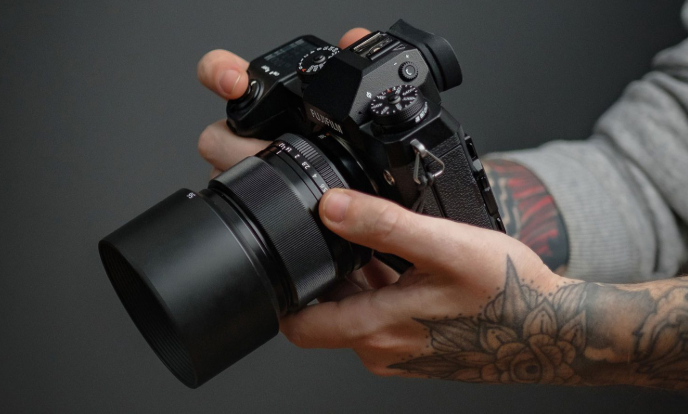
If you’ve been shooting with a DSLR for years, moving to a mirrorless system can feel a bit like changing language. The fundamentals of exposure and composition stay the same, but the way you interact with the camera—the viewfinder, autofocus, batteries, lenses, even menus—changes in ways you’ll notice every single time you shoot.
The upside? A good mirrorless camera can make your photography faster, lighter and more enjoyable, especially if you shoot travel, events, portraits or hybrid photo/video. The key is understanding what’s different before you sell off your kit and jump in.
Size and Weight: The First Thing You’ll Notice
One of the main reasons photographers switch is size. Mirrorless bodies are generally smaller and lighter because they don’t need the mirror box and optical prism that define a DSLR. That can make a huge difference for:
- Long wedding days or events where the camera lives in your hand
- Travel and street photography where you’re walking all day
- Hikes, city breaks and everyday carry
Just remember it’s not only the body that matters. Some mirrorless lenses, especially fast zooms, can still be sizeable. The real benefit comes when you pair a compact body with thoughtfully chosen glass—small primes, travel zooms or lightweight wide-angles.
The Viewfinder: From Optical to Electronic
The switch from optical viewfinder (OVF) to electronic viewfinder (EVF) is one of the biggest mental leaps for DSLR shooters.
With an OVF, you see the world as it is. With an EVF, you see the sensor’s interpretation of the scene in real time. That sounds simple, but it changes how you shoot:
- You can preview exposure, white balance and picture profile before pressing the shutter.
- Focus peaking and magnification help nail manual focus, especially for macro or adapted lenses.
- You can see histograms, zebras and level indicators directly in the finder.
Some photographers miss the “pure” look of an OVF at first, but most end up loving the what-you-see-is-what-you-get experience, especially in tricky light. The main adjustment is battery life: EVFs consume more power, so you’ll rely more on spare batteries than you did with a DSLR.
Autofocus and Tracking: A Big Step Forward
Modern mirrorless systems have pushed autofocus far beyond what most DSLRs can do, especially in terms of subject recognition and tracking.
Eye and face detection for humans, subject tracking for animals or vehicles, and sticky continuous AF make it easier to concentrate on timing and composition rather than worrying about AF points. For portrait, wedding, street and even some sports shooters, this alone can justify the upgrade.
That said, not all mirrorless AF systems are created equal. If you shoot fast action, low light or backlit scenes often, test how reliably a camera tracks your typical subjects before committing.
Lenses and Adapters: Planning Your System
If you’ve spent years building a DSLR lens collection, switching mounts can feel painful. Fortunately, many brands support adapters that allow you to use DSLR glass on mirrorless bodies with varying degrees of autofocus support.
Adapters can be a great bridge, but they’re not always a permanent solution. Native mirrorless lenses are usually designed to focus faster, weigh less and balance better on the smaller bodies. Over time, most photographers gravitate toward native glass for their most-used focal lengths, keeping adapters for speciality lenses.
When planning your switch, think long-term:
- Which focal lengths do you genuinely use most?
- Are there native lenses that cover those needs now?
- Does the system you’re considering have a healthy roadmap and third-party support?
Treat the move as choosing a new ecosystem, not just a new body.
Battery Life and Workflow: Adjusting Your Habits
Because mirrorless cameras power EVFs, rear screens and on-sensor AF continuously, battery life is typically shorter than on a DSLR. That doesn’t mean it’s unworkable; it just means you need a slightly different workflow.
Carrying two or three fully charged batteries is standard for a full shooting day. USB-C charging is a big help: you can top up between sessions using a power bank or car charger. Learning your camera’s power-saving options—screen timeout, EVF priority, performance modes—also makes a noticeable difference.
Memory card and file management also evolve as higher burst rates and more advanced video modes create more data. Make sure your cards, card reader and storage setup keep pace.
See also: Free AI Humanizer for Students and Professionals
Handling and Customisation: Expect a Learning Curve
Even experienced shooters can feel slow for the first few weeks on a new mirrorless body. Buttons, dials and menus live in different places, and you may have more options for customisation than you’re used to.
The good news is that modern mirrorless bodies are highly configurable. You can assign back-button focus, toggle subject tracking, change AF modes, adjust white balance and more with dedicated function buttons. Investing a few hours up front to set the camera up for how you shoot pays off every single time you pick it up.
A simple approach is to build two or three “workspaces” or custom modes: one for general stills, one for action and one for video. That way, switching styles doesn’t mean diving back into menus.
Budgeting the Leap: Body vs Lens vs Accessories
If you’re moving from DSLR to mirrorless on a budget, it can be tempting to pour everything into the shiniest body and postpone lens upgrades. Often, the smarter move is the opposite: choose the best budget mirrorless camera that covers your core needs, then invest in one or two quality lenses that make a visible difference to your work.
A sharp standard zoom or a fast prime can elevate your images more than subtle body upgrades you’ll only notice at 200% zoom. Over time, you can always move up the body range while keeping the glass you already love.
Retailers like Diamonds Camera are helpful here because they can show you side-by-side options across brands and price points, and talk through where your money will have the most impact based on the type of photography you do.
Making the Switch with Confidence
Switching from DSLR to mirrorless isn’t about abandoning everything you know; it’s about bringing your skills into a system that offers new tools and possibilities.
If you go in knowing that the EVF will feel different, batteries will need more attention, and your lens strategy might evolve, the transition is much smoother. Take time to handle different bodies, think about how you actually shoot, and build a kit that suits your style rather than chasing specs for their own sake.
Once the new muscle memory kicks in, most photographers find they spend less time fighting their gear and more time focusing on what really matters: seeing light, capturing moments and telling stories with images that feel like their own.