
When an Invisalign Dentist Says No: Honest Guidance for Better Outcomes
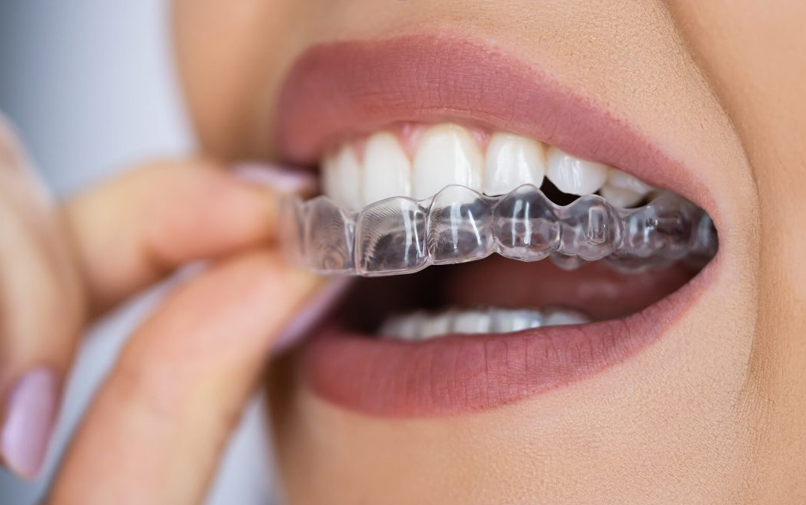
Clear aligners have changed how many adults think about orthodontic care. The appeal is easy to understand. Removable trays feel discreet, flexible, and modern. Yet a quieter trend is emerging within clinics. More patients are returning with concerns about stalled progress, discomfort, or results that did not match expectations. This has led many ethical professionals to speak more openly about where aligners fall short.
An Invisalign dentist who works with a wide range of cases sees this shift firsthand. The role is no longer about offering aligners to everyone who asks. It is about deciding when they make sense and when another approach will serve the patient better.
Why Dissatisfaction Is Becoming More Common
Aligners are often presented as a simple answer to crooked teeth. In reality, tooth movement is a biological process that varies from person to person. Overuse of aligners has played a role in rising frustration, particularly when they are used for cases they were not designed to handle.
Patients may notice slow movement, frequent tray changes, or the need for repeated refinements. Some report bite changes that feel awkward. These issues are not always due to poor compliance. They often reflect limits in what aligners can achieve on their own.
An Invisalign dentist who sees these patterns learns to look beyond surface alignment and focus on how teeth, bone, and bite work together.
How Ethical Assessment Really Works
A careful assessment goes beyond a scan and a smile view. Ethical planning looks at root position, bite contact, gum health, and jaw function. Some movements, such as vertical shifts or strong rotations, require more direct force than trays can provide.
An Invisalign dentist weighs these factors before suggesting any system. This is where honest guidance matters. Saying no to aligners can protect patients from wasted time and repeated corrections.
Many clinics now place diagnosis at the centre of planning, rather than lifestyle preference alone. This approach builds trust, even if it means recommending a fixed option instead.
Where Aligners Can Underperform
Aligners rely on consistent wear. Adults with demanding routines may struggle to meet daily wear targets, even with good intent. Missed hours can slow progress and affect outcomes.
Certain bite issues also respond poorly to trays alone. Deep bite cases, open bite patterns, or heavy crowding often need the control of fixed appliances. Aligners can tip teeth but may struggle to guide roots into stable positions.
An Invisalign dentist who explains these limits early helps patients make informed choices rather than hopeful guesses.
See also: Turning Store Visits into Intelligence with Traffic Counters and Retail Analytics Software
Understanding Attachments And Refinements
Attachments are small shapes bonded to teeth to help aligners grip and guide movement. They are often downplayed in casual discussions, yet they play a major role in treatment success.
Some cases require many attachments and several rounds of refinements. Each refinement adds time and can affect comfort. Patients who expect a smooth, short process may feel misled if this is not explained clearly at the start.
A responsible Invisalign dentist discusses attachments and refinements openly. This clarity helps align expectations with reality.
The Rise Of Hybrid Orthodontic Planning
One of the most practical trends in orthodontics is hybrid planning. This approach combines aligners with other tools, such as clear braces or short phases of fixed treatment.
Hybrid care allows orthodontists to use aligners where they work well and switch methods when more control is needed. This flexibility often leads to better results and fewer compromises.
Many clinics that focus on education and diagnosis, including practices like Textbook Orthodontics, support this blended approach. It reflects a shift away from brand loyalty toward patient-centred care.
When Clear Braces Offer More Control
Clear braces are sometimes overlooked in favour of aligners, yet they offer steady force without relying on daily wear. For adults with complex movement needs, this can be a key advantage.
An Invisalign dentist may suggest clear braces when rotation, bite correction, or root movement requires constant guidance. While they are fixed, modern designs are discreet and easier to manage than older systems.
Choosing clear braces is not a step backward. It is often a step toward predictability and stability.
Trust Grows From Honest Limits
Patients value honesty more than novelty. An Invisalign dentist who explains both strengths and limits builds credibility. This trust often leads to better cooperation and satisfaction, regardless of the treatment chosen.
Orthodontic care works best when tools match biology. Aligners have a clear place, but they are not universal answers. Recognising this helps patients avoid disappointment and focus on outcomes that last.
Final Thoughts
Aligners remain a useful part of modern orthodontics, but their role is changing. Ethical care means knowing when to recommend them and when to suggest another path. An Invisalign dentist who prioritises diagnosis over trend helps patients achieve results that feel right, function well, and stand the test of time.