Balancing State Requirements and Academic Freedom When Homeschooling in Florida
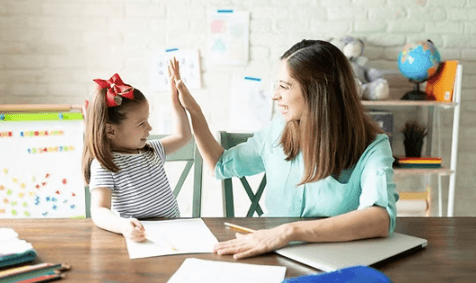
One of the first things new homeschooling parents ask is: how much freedom do I actually have? It is a fair question. The idea of homeschooling is rooted in the desire to do something different, something more tailored and intentional than a traditional classroom can offer. Understanding how to start homeschooling in Florida means understanding where the state’s requirements end and your educational freedom begins, and the balance is more generous than many parents expect.
Florida sits in a comfortable middle ground among homeschooling states. It has a few clear requirements, but it leaves most of the important decisions, including what you teach, how you teach it, and how you measure progress, entirely up to parents. The key is knowing exactly what the state requires so you can meet those obligations comfortably while building the rest of your program the way you want.
What Florida Actually Requires: The Short Version
Florida’s home education requirements are straightforward once you understand them. You must file a Notice of Intent with your county school superintendent within 30 days of starting your home education program, and you must renew this notice every year. You must maintain a portfolio of your child’s educational materials throughout the year. And your child must be evaluated annually using one of several approved methods.
That is essentially it. The state does not mandate a specific curriculum. It does not require a set number of school hours per day. It does not ask you to use state-approved textbooks or follow a particular scope and sequence. You have genuine freedom in all of those areas, and that freedom is the heart of why homeschooling works so well for so many families.
Understanding the Portfolio Requirement Without Overcomplicating It
More than 155,532 students were enrolled in Florida’s home education program last year, reflecting the continued growth of homeschooling statewide.
The portfolio requirement is sometimes a source of anxiety for new homeschoolers, but it does not have to be. Florida law requires you to maintain a portfolio of educational materials and make it available for review if requested. What goes in that portfolio is largely up to you.
A practical portfolio includes samples of written work, reading records, math assignments, science projects, and any other documentation of learning. You do not need to save every piece of paper your child touches. What you want is a representative collection that tells a clear story of what your child has been working on and how they have progressed over the year.
Some families keep a physical binder organized by subject. Others maintain a digital folder with photos of projects, scanned assignments, and notes. The format matters far less than the consistency. Building the habit of adding materials as you go is much easier than trying to reconstruct a year’s worth of learning at the last minute.
The Annual Evaluation: More Flexible Than You Think
Florida requires an annual evaluation, but it gives you several options for how to satisfy that requirement. You can have a Florida-certified teacher review your portfolio and provide a written evaluation of your child’s progress. You can have your child take a nationally normed standardized test. Or you can work with a licensed psychologist or other qualified professional who can evaluate your child’s educational progress.
Each of these options has its own advantages. The portfolio review with a certified teacher is often the most natural fit for families who use an eclectic or non-traditional curriculum, because it allows for a more qualitative assessment of learning. Standardized testing can be useful for families who want an objective measure or who anticipate enrolling their child in traditional school at some point and want benchmarks.
Whatever method you choose, schedule it early enough in the year that you are not scrambling. And remember that this evaluation does not need to be submitted to your school district. You simply maintain the documentation in case it is ever requested.
See also: Virtual Office: A Smart Solution for Modern Businesses
Your Academic Freedom: Where It Starts
Beyond the basic legal requirements, the rest of your homeschool program is yours to design. Florida does not tell you what subjects to teach, how many hours to log, or what materials to use. This is where your family’s values, your child’s interests, and your educational vision get to take center stage.
Some families build their curriculum around a specific philosophy. Classical education, Charlotte Mason, project-based learning, unschooling, and traditional textbook approaches are all perfectly legal in Florida. Many families blend elements from several approaches to create something that fits their unique situation.
Academic freedom also means you can move at your child’s pace. If your eight-year-old is reading at a sixth-grade level, you can offer sixth-grade reading material. If your twelve-year-old is still working to solidify multiplication facts, you can spend as much time as needed there without the pressure of a class moving on without them.
Navigating the Tension Between Structure and Flexibility
For many families, the real challenge is not meeting state requirements. It is finding the right internal balance between structure and flexibility. Too much rigid structure can feel suffocating and miss the whole point of homeschooling. Too little structure can leave both parent and child feeling unmoored and unproductive.
A good starting point is to identify your non-negotiables. What subjects and skills absolutely need consistent attention? For most families, reading, writing, and math fall into this category. Build a gentle routine around those core areas first, and then let the rest of your day have more breathing room.
Think of your schedule as a rhythm rather than a rigid timetable. Rhythms can flex when life interrupts. If your child gets absorbed in a science experiment and you end up spending two hours on it instead of thirty minutes, that is not a failure of structure. That is learning happening exactly the way it should.
When State Requirements and Your Approach Align Naturally
Here is something reassuring that many new homeschoolers discover fairly quickly: if you are genuinely engaged in teaching your child and keeping reasonable records, you will likely find that you meet Florida’s requirements without much extra effort.
The portfolio you maintain for your own reference becomes your legal documentation. The evaluation you arrange with a certified teacher is also an opportunity for outside perspective on your child’s progress. Filing the annual Notice of Intent takes about ten minutes once you know where to send it. These requirements are designed to ensure that home education is actually happening, and if it is, documenting it is a natural byproduct of the work you are already doing.
Moving Forward With Confidence
The best homeschooling happens when parents feel confident in what they are doing. That confidence comes from knowing the rules, meeting them consistently, and then focusing your energy on building something genuinely good for your child.
Florida has created a legal framework that respects parental authority while maintaining a basic level of accountability. Within that framework, you have enormous room to create an educational experience that is tailored, thoughtful, and deeply connected to who your child actually is. That combination of freedom and accountability, far from being in tension, is actually what makes Florida a great place to homeschool.