How ai and drones are shaping the future of public safety
In a world constantly on the move, safety has taken center stage, and technology is the star of the show. One of the biggest players in this tech-driven safety game is Artificial Intelligence (AI) and Machine Learning (ML). These aren’t just buzzwords thrown around by tech geeks; they’re real tools making a tangible difference in our everyday lives. So, how exactly do they work their magic?
AI and ML have revolutionized security systems by making them smarter and more efficient. Imagine surveillance cameras that don’t just record but actually analyze what they’re seeing. Moreover, integrating an explosive detection system into the AI network can significantly bolster safety measures by proactively identifying potential threats. They can distinguish between an innocent passerby and someone with malicious intent. It’s like giving cameras a brain! And it’s not just about spotting trouble; these systems can learn from past incidents to predict future ones. It’s like having a seasoned detective on duty 24/7, but without the need for coffee breaks.
But let’s be honest—AI and ML aren’t perfect. They can make mistakes, just like humans. However, the more they learn, the better they get. Think of it as a security guard who gets sharper with experience. The key takeaway here is that AI and ML are enhancing our security systems in ways we couldn’t have imagined a decade ago. And this is just the beginning.
Real-time crime fighting with predictive analytics
How data helps predict and prevent crimes
Ever watched those crime dramas where detectives seem to have a sixth sense about where and when a crime will happen? Well, in real life, that “sixth sense” is often backed by something far less mystical: predictive analytics. This isn’t about crystal balls; it’s about data—tons of it.
Predictive analytics uses historical data to forecast future events. Law enforcement agencies are now leveraging this technology to anticipate criminal activities. For instance, if there’s been a spike in car thefts in a particular area, predictive analytics can help pinpoint when and where the next theft might occur. It’s like having a cheat sheet for crime prevention.
Of course, this isn’t foolproof. There are always variables that data can’t predict—human behavior being one of them. But even with its imperfections, predictive analytics provides law enforcement with valuable insights that can significantly enhance public safety. It’s another tool in the ever-evolving arsenal against crime.
See also: Online Counsellor Hong Kong: Accessible Mental Health Support for Modern Lifestyles
Drones on patrol: eyes in the sky for public safety
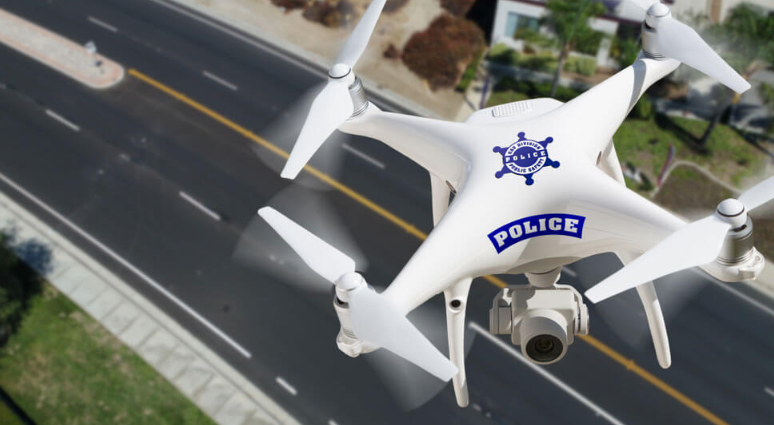
Drones aren’t just for capturing breathtaking aerial shots or delivering packages anymore. They’ve found a new, crucial role in public safety. Picture this: a drone patrolling a large public event, providing real-time footage to security personnel on the ground. It’s like having eyes in the sky, offering a bird’s-eye view of potential threats.
These flying gadgets are incredibly versatile. They can be equipped with high-resolution cameras, thermal imaging, and even loudspeakers for crowd control. In disaster scenarios, drones can quickly assess damage and locate survivors, making rescue operations faster and more efficient. It’s like having a Swiss Army knife in the air.
However, drones do raise some eyebrows when it comes to privacy concerns. No one wants to feel like they’re constantly being watched from above. Balancing security and privacy is an ongoing challenge that needs careful consideration as drone technology continues to evolve.
Biometric security: your face and fingerprints as digital keys
Gone are the days when you needed a key or a password to unlock your devices or secure areas. Welcome to the age of biometrics, where your unique physical traits—like your face or fingerprints—serve as digital keys. It’s almost like something out of a sci-fi movie!
Biometric security systems offer a level of convenience and security that’s hard to beat. Forgetting your password becomes a thing of the past because your face or fingerprint is always with you (unless you’re an international spy with multiple identities). These systems are being used everywhere—from smartphones to high-security facilities.
But let’s not get too carried away; biometric systems aren’t infallible. There are concerns about data breaches and identity theft. After all, you can’t change your face or fingerprints if they get compromised. Still, when implemented correctly, biometric security adds an extra layer of protection that’s both efficient and user-friendly.
Enhancing emergency responses with advanced communication tech
When disaster strikes, every second counts. Efficient communication can mean the difference between chaos and order—or even life and death. Enter advanced communication technologies that are revolutionizing how emergency responses are coordinated.
Modern communication systems enable real-time sharing of information among various emergency services—firefighters, police, medical responders—you name it. These systems allow for quick dissemination of critical information, ensuring everyone is on the same page almost instantly. It’s like having an emergency broadcast system on steroids.
For example, during natural disasters like hurricanes or earthquakes, advanced communication tech can provide real-time updates to both responders and the public, helping to coordinate evacuations and relief efforts more efficiently. Additionally, implementing a body scanner at points of entry can expedite the screening process, ensuring that emergency shelters remain safe and secure spaces. It’s not just about speed; it’s about accuracy and coordination.
However, these technologies are only as good as their implementation and maintenance. They require constant updates and training to ensure they function optimally when needed most. The bottom line? Advanced communication tech is making our emergency responses faster and more coordinated, saving lives in the process.